Learn how to dose and give furosemide safely for adults and children, adjust for kidney function, and avoid common pitfalls. Includes tables, tips, and FAQs.
Read MoreLoop Diuretic Dosing: Simple Steps to Find Your Right Dose
If you've been prescribed a loop diuretic, the most important thing is getting the dose right. Too little and you stay puffy; too much and you might get low blood pressure or electrolyte problems. This guide walks you through the basics, so you can feel confident about your medication.
Common Loop Diuretics and Typical Doses
Loop diuretics come furosemide (Lasix), torsemide (Demadex), and bumetanide (Bumex) all work by pulling excess fluid out of your body. Doctors usually start with a low dose and change it based on how you respond.
- Furosemide: 20‑40 mg once or twice daily for most adults. Severe swelling may need up to 80 mg.
- Torsemide: 5‑10 mg once daily is typical. It’s longer‑acting, so many people need only one dose.
- Bumetanide: 0.5‑2 mg once or twice daily. It’s stronger per milligram, so the numbers look smaller.
These numbers are just a starting point. Your doctor will look at your weight, kidney function, and why you need the diuretic before setting the exact amount.
How to Adjust Your Dose Safely
Adjusting a loop diuretic is a step‑by‑step process. First, track how much urine you make each day. If you’re not seeing at least a 1‑2 liter increase, your dose may be too low. Second, watch for side effects like dizziness, muscle cramps, or a rapid heartbeat.
When you need a change, your doctor might add 20 % to the current dose or split it into more frequent doses. Never jump up by a big amount on your own – that can cause a sudden drop in blood pressure.
Keep an eye on blood tests, especially potassium and sodium levels. Loop diuretics can flush these electrolytes out, and low potassium can lead to muscle weakness or heart rhythm problems. If labs show low potassium, your doctor might add a supplement or switch to a potassium‑sparing diuretic.
Stay hydrated, but follow your doctor’s advice on fluid intake. Some patients need to limit fluids, while others can drink normally. The key is consistency – avoid large swings in how much you drink from day to day.
Always tell your doctor about other meds you’re taking. NSAIDs (like ibuprofen) can blunt the effect of loop diuretics, while certain blood pressure drugs can amplify the drop in blood pressure.
In short, the safest way to fine‑tune your loop diuretic dose is to work closely with your healthcare team, keep a daily log of urine output and symptoms, and get regular blood tests.
Bottom line: start low, go slow, track everything, and keep the conversation open with your doctor. That’s the recipe for getting the right loop diuretic dose without unwanted side effects.

Furosemide Dosage & Administration Guide - Safe Dosing for Heart & Kidney Patients
Archive
Categories

Leprosy History: From Ancient Times to Modern Day
Explore leprosy's journey from ancient references to modern treatment, covering key discoveries, global eradication efforts, and ongoing challenges.

Prilosec: How Omeprazole Works, Benefits, Risks, and Real-Life Tips
Prilosec, also known as omeprazole, is a widely used medication for managing acid reflux and heartburn. This article explores how it works, when and how to use it, important precautions, and practical advice based on real experiences. You’ll also learn about side effects, drug interactions, and tips for safer long-term use. Real-world statistics and expert-backed facts make it easier to get the most from your treatment.

How to Stay Active with Intermittent Claudication: Exercise Tips for Comfort
Intermittent claudication can make it challenging to stay active, but the right exercises can alleviate discomfort. Discover practical tips for increasing mobility and reducing leg pain while exercising. Learn how to tailor workouts to suit your personal needs and improve your overall comfort. Empowering strategies can help maintain a more active lifestyle without added stress. Explore ways to safely navigate physical activities with confidence.
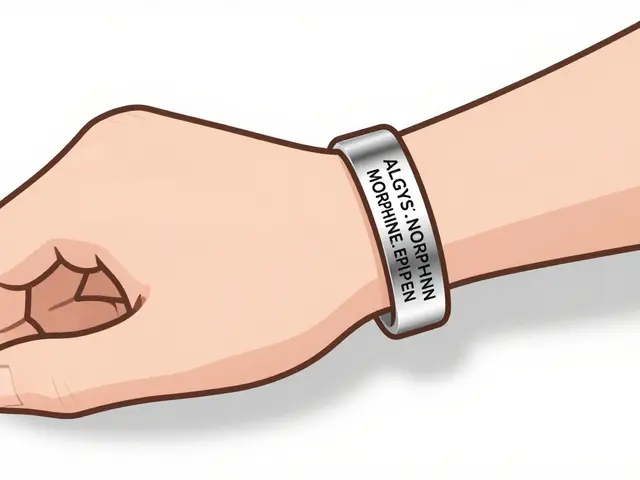
How to Wear a Medical Alert Bracelet for Severe Drug Allergies
Wearing a medical alert bracelet for severe drug allergies can save your life in an emergency. Learn what to engrave, where to wear it, and why it's the most reliable way to tell first responders what you're allergic to.

Sleep Apnea and Its Impact on Heart Rhythm Disorders
Explore how sleep apnea raises the risk of heart rhythm disorders, the science behind it, and practical steps to diagnose and treat both conditions.