Intermittent claudication can make it challenging to stay active, but the right exercises can alleviate discomfort. Discover practical tips for increasing mobility and reducing leg pain while exercising. Learn how to tailor workouts to suit your personal needs and improve your overall comfort. Empowering strategies can help maintain a more active lifestyle without added stress. Explore ways to safely navigate physical activities with confidence.
Read MoreIntermittent Claudication: Understanding Leg Pain and Circulation Issues
If you get cramps or pain in your legs when walking that's gone after resting, it might be intermittent claudication. This happens because the blood flow to your leg muscles is blocked or reduced, usually due to narrowing arteries. It’s a warning sign that your circulatory system needs attention, not just random muscle soreness.
Many people ignore this pain thinking it’s just tired muscles or aging. But intermittent claudication often signals peripheral artery disease (PAD), which can lead to serious problems if left untreated. Spotting it early can save you from complications.
Recognizing Symptoms and What Triggers Them
The main symptom is leg pain, mostly in the calves, thighs, or buttocks that appears during walking or exercise but eases after a few minutes of rest. It’s like your muscles shout they’re not getting enough blood. You may also notice weakness or numbness in your legs along with cooler skin or shiny skin patches. Sometimes the pain feels like cramping or burning.
Activities like climbing stairs, brisk walking, or exercising often bring on this pain. It can get worse over time if the artery blockage increases. But the pain disappearing when you stop moving is a crucial clue that it’s intermittent claudication.
How to Manage and Improve Intermittent Claudication
The good news? You have options to manage this and improve your leg blood flow. Lifestyle changes are key: quitting smoking, controlling diabetes and cholesterol, and regular walking exercises that slowly build your endurance. These steps help your blood vessels work better and reduce symptoms.
Medical treatments can include medications to improve blood flow or manage related conditions. In some cases, procedures to open up narrowed arteries might be needed, but doctors usually start with safer lifestyle fixes. If you feel leg pain during activities and want to keep moving without discomfort, talk to your healthcare provider about testing and personalized care plans.
Don’t ignore leg pain—it’s your body’s way of telling you that circulation needs a hand. With the right attention, you can keep enjoying your walks and daily activities without the interruption of pain.

How to Stay Active with Intermittent Claudication: Exercise Tips for Comfort
Archive
Categories

Clavulanic Acid: How It Transforms Bronchitis Treatment
Discover how clavulanic acid boosts bronchitis treatment, its mechanism, dosage, safety tips, and why it outperforms amoxicillin alone.

Buy Cheap Generic Prozac Online - Safe, Legal, and Affordable Options
Learn how to safely buy cheap generic Prozac online, verify reputable pharmacies, understand pricing, and avoid scams with a step‑by‑step guide.

Environmental Triggers Behind Fungal Skin Discoloration
Explore how humidity, temperature, clothing, and hygiene drive fungal skin discoloration, with practical tips to recognise and prevent it.
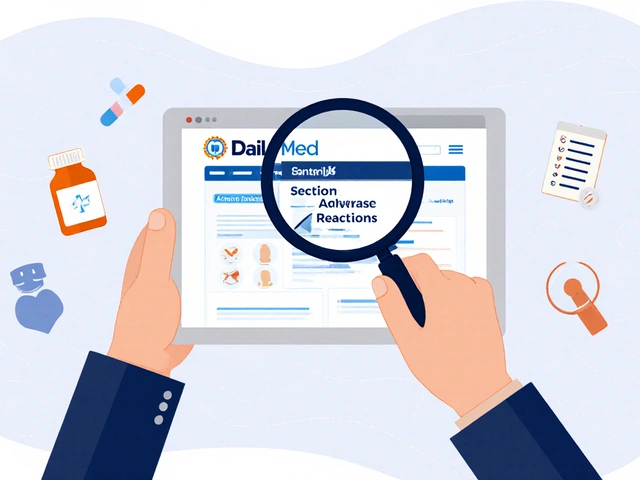
Where to Find Detailed Side Effect Information for Your Medications
Learn where to find accurate, up-to-date side effect information for your medications using FDA-approved sources like DailyMed, MedlinePlus, VigiAccess, and OnSIDES. Avoid outdated or biased tools.
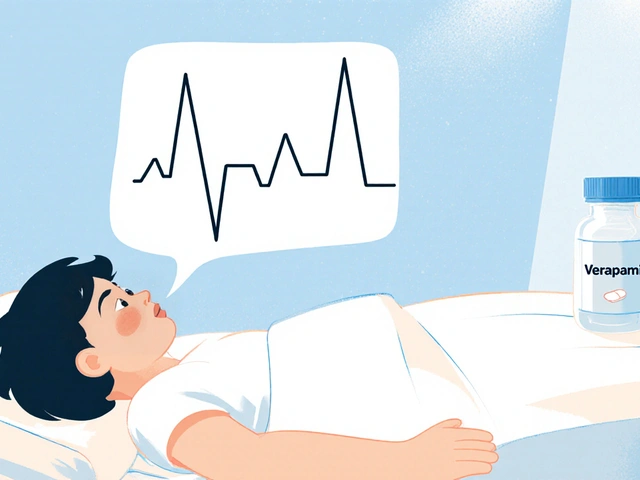
Verapamil in Pediatric Care: Uses, Dosage & Safety
Explore verapamil's role in pediatric care: approved uses, weight‑based dosing, safety tips, and how it compares to other heart meds for children.