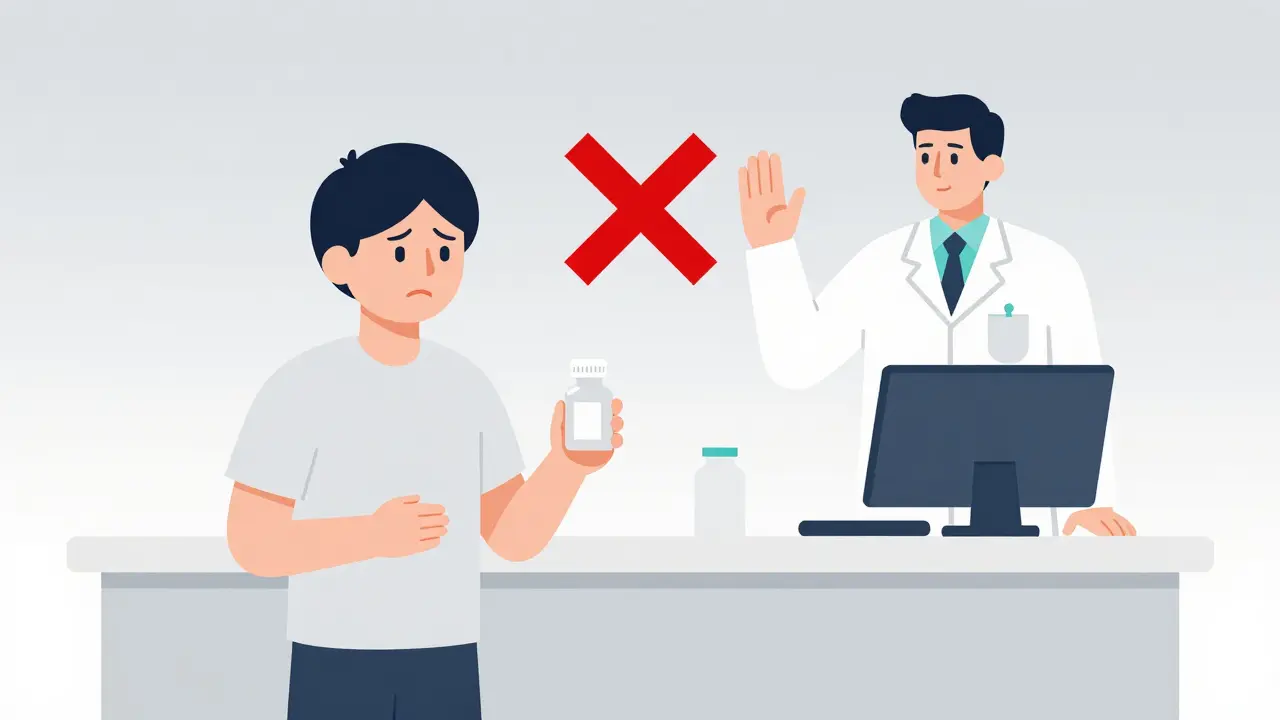
Imagine picking up your prescription for a cheap, life-saving generic drug, only to be told by the pharmacist that your insurance won't pay for it. It feels like a scam. You’re not asking for a brand-name luxury item; you’re asking for the standard, off-patent version of a medication. Yet, this is the reality for millions of patients facing non-formulary generics, which are generic medications excluded from an insurance plan's official list of covered drugs (formulary). When coverage is denied, the bill can skyrocket from a $5 copay to hundreds of dollars out-of-pocket. But here’s the good news: federal law and most state regulations give you a powerful tool to fight back. You don’t have to pay full price, and you don’t have to switch to a drug that might not work as well for you.
This isn’t just about saving money; it’s about health stability. Switching medications mid-treatment can lead to adverse effects or reduced efficacy, especially for chronic conditions. According to data from the Centers for Medicare & Medicaid Services (CMS), while plans must cover at least two drugs per therapeutic category, many generics still fall through the cracks. The key to getting your specific generic covered lies in understanding the "exceptions process"-a legally mandated pathway designed exactly for situations like yours.
Why Is Your Generic Not Covered?
To fix the problem, you first need to understand why it happened. Insurance companies use formularies to manage costs. They negotiate lower prices with manufacturers of certain generics and place those on their preferred lists. Other generics, even if chemically identical, might not be on that list because the insurer hasn’t negotiated a deal with that specific manufacturer or distributor.
This creates a confusing scenario where Drug A (Generic Brand X) is covered, but Drug B (Generic Brand Y) is not, despite both being approved by the FDA as bioequivalent. This gap exists because the Medicare Prescription Drug, Improvement, and Modernization Act (MMA) of 2003 established the framework for coverage but did not mandate that every single generic must be included. As a result, gaps emerge. If your doctor prescribed a specific generic based on your past success with it, and your plan denies it, you have grounds for an exception request.
The First Step: Request a Formulary Exception
When the pharmacy tells you the drug is non-formulary, do not just accept the cash price. Ask your prescriber to file a formulary exception request, which is a formal appeal to an insurance plan to cover a drug not listed on its formulary due to medical necessity. This is your primary lever. Federal law requires health plans to have this process in place.
Here is how to execute this step effectively:
- Get the Right Form: Your doctor needs to complete a Coverage Determination Request form. The American Medical Association notes that properly completed forms take less time and are less likely to be denied than vague requests.
- Provide Specific Clinical Evidence: Generic statements like "the patient needs this" are rarely enough. Dr. Jane Sarasohn-Kahn, a healthcare economist, emphasizes that successful requests include specific clinical parameters. For example, if it’s a diabetes drug, show hemoglobin A1c levels. If it’s for inflammatory bowel disease, show fecal calprotectin levels. Prove why the formulary alternatives failed or would cause harm.
- Document Past Failures: List any previous therapies you tried, including dates and reasons they stopped working. The Crohn's & Colitis Foundation recommends documenting potential harm from switching medications.
Once submitted, CMS guidelines mandate that the plan must render a decision within 72 business hours for standard requests. If your situation is urgent-meaning going without the drug could seriously impair your ability to regain or maintain function-they must decide within 24 hours.
Understanding the Timeline and Emergency Supplies
One of the biggest frustrations patients face is the waiting period. You might be left without medication for three days while the insurance company reviews your case. However, you have rights here. For urgent cases, CMS requires plans to provide emergency supplies covering 72 hours while the exception is reviewed.
If your condition is not deemed "urgent" by the insurance company but you still need relief, ask your doctor if they can write a bridge prescription or if the pharmacy can dispense a small quantity under a different billing code, though this varies by state. Be aware that 37% of plans improperly deny these emergency supplies despite federal requirements, according to QuickRx Specialty Pharmacy. If this happens, note it for your appeal.
During this window, stay in contact with your doctor’s office. They are often the ones communicating with the insurance medical director. Having them push for an expedited review can make a significant difference.
If Denied: The Internal Appeal Process
Let’s say the initial exception request is denied. Don’t panic. This is common. Approximately 23% of initial medication coverage requests are denied for non-formulary reasons, but 58% of those denials are successfully overturned through appeals, according to the Crohn's & Colitis Foundation.
You now move to the internal appeal stage. Here is what you need to know:
- Deadline: You typically have 60 days from the date of the denial letter to file an internal appeal. Do not miss this window.
- New Evidence: If possible, add new information. Did your symptoms worsen during the gap? Did your doctor speak directly with the insurance reviewer? Include letters of medical necessity that explicitly state why the formulary alternatives are medically inappropriate for you, not just generally ineffective.
- Tiering Exceptions: Note that if your drug is eventually approved via a formulary exception, you cannot automatically get a tiering exception to lower your copay. However, some experts suggest requesting a tier exception separately if the cost-sharing is still prohibitive, though this is complex and varies by plan.
The Bleeding Disorders Advocacy Alliance reports that 74% of properly documented exception requests are approved on first submission. If yours was denied, ensure your documentation was "properly documented." Vague notes are the enemy. Specifics win.
External Review: The Final Resort
If the internal appeal fails, you have one more critical option: external review. This is an independent third party that reviews your case outside of the insurance company. Federal law guarantees you access to this if the plan denies your request.
This process is binding for the insurance company. If the external reviewer says the drug should be covered, the plan must comply. While this takes longer-typically adding weeks to the process-it is highly effective for cases with strong medical justification. Make sure to ask for the external review packet immediately upon receiving your internal appeal denial.

Comparison: How Different Plans Handle Denials
| Plan Type | Average Approval Rate | Urgent Review Time | Key Regulatory Constraint |
|---|---|---|---|
| Medicare Part D (Standalone) | 71% | 24 Hours | Federal CMS Guidelines |
| Medicare Advantage (MA-PD) | 63% | 24 Hours | Federal CMS Guidelines + Plan Specifics |
| Commercial (e.g., Blue Cross) | Varies by State | 24-48 Hours | State Regulations (e.g., CA requires 48h for urgent) |
Note that commercial plans vary significantly by state. Twenty-eight states have implemented stronger exceptions requirements than federal minimums. For instance, California mandates a 48-hour review standard for urgent cases, whereas the federal baseline is 24 hours. Know your local laws; they may offer you additional leverage.
Pro Tips for Success
Navigating this system is exhausting, but small details matter. Here are actionable tips from patient advocates and physicians:
- Use Templates: Organizations like the Crohn's & Colitis Foundation and the Bleeding Disorders Advocacy Alliance offer free templates for Letters of Medical Necessity. Use them. They prompt doctors to include the exact language insurers look for.
- Track Everything: Keep a log of every call, including the date, time, name of the representative, and reference number. If a rep promises something, get it in writing.
- Leverage Patient Advocates: Many insurance plans have patient advocates. Ask for their contact info. They can sometimes bypass bureaucratic hurdles.
- Check for Automatic Approvals: Under the Inflation Reduction Act implementation guidelines, some high-impact generics like insulin and naloxone may see automatic approvals for exceptions in 2024 and beyond. Check if your drug falls into a protected class.
Remember, the goal is not just to win an argument; it’s to get the medicine that keeps you healthy. With 38% of patients skipping doses when facing denials, the stakes are high. But with the right strategy, you can secure the coverage you deserve.
What is a non-formulary generic drug?
A non-formulary generic is a generic medication that is not included on your specific insurance plan's formulary, which is the official list of drugs they agree to cover. Even though it is generic and FDA-approved, the insurer has chosen not to include it in their network, often leading to higher out-of-pocket costs or coverage denial.
How long does it take to get a formulary exception approved?
For standard requests, federal guidelines require insurance plans to make a decision within 72 business hours. For urgent cases, where delaying treatment could harm your health, the decision must be made within 24 hours. However, the entire process from filing to final resolution can take 14-21 days if appeals are necessary.
Can I appeal if my formulary exception is denied?
Yes. If your initial exception request is denied, you can file an internal appeal with the insurance company within 60 days. If that is also denied, you have the right to request an external review by an independent third party, whose decision is binding on the insurance plan.
Do I have to pay for the drug while the exception is being reviewed?
In urgent cases, CMS requires plans to provide emergency supplies covering 72 hours while the exception is reviewed. For non-urgent cases, you may have to pay upfront and seek reimbursement later, or wait for the decision. Always check with your pharmacist and doctor about bridge prescriptions to avoid gaps in treatment.
Why would a generic drug be denied if it's cheaper?
Insurance companies negotiate specific contracts with certain generic manufacturers. If your prescribed generic comes from a manufacturer they haven't contracted with, it may be excluded from the formulary to encourage the use of preferred, negotiated brands. This is a cost-management strategy, not necessarily a reflection of the drug's quality.